



Cart is empty. Please go to your home page for listing it.
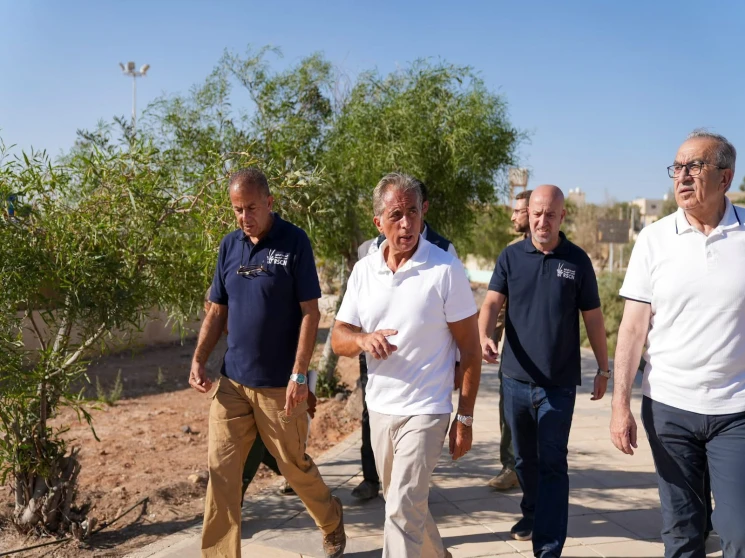
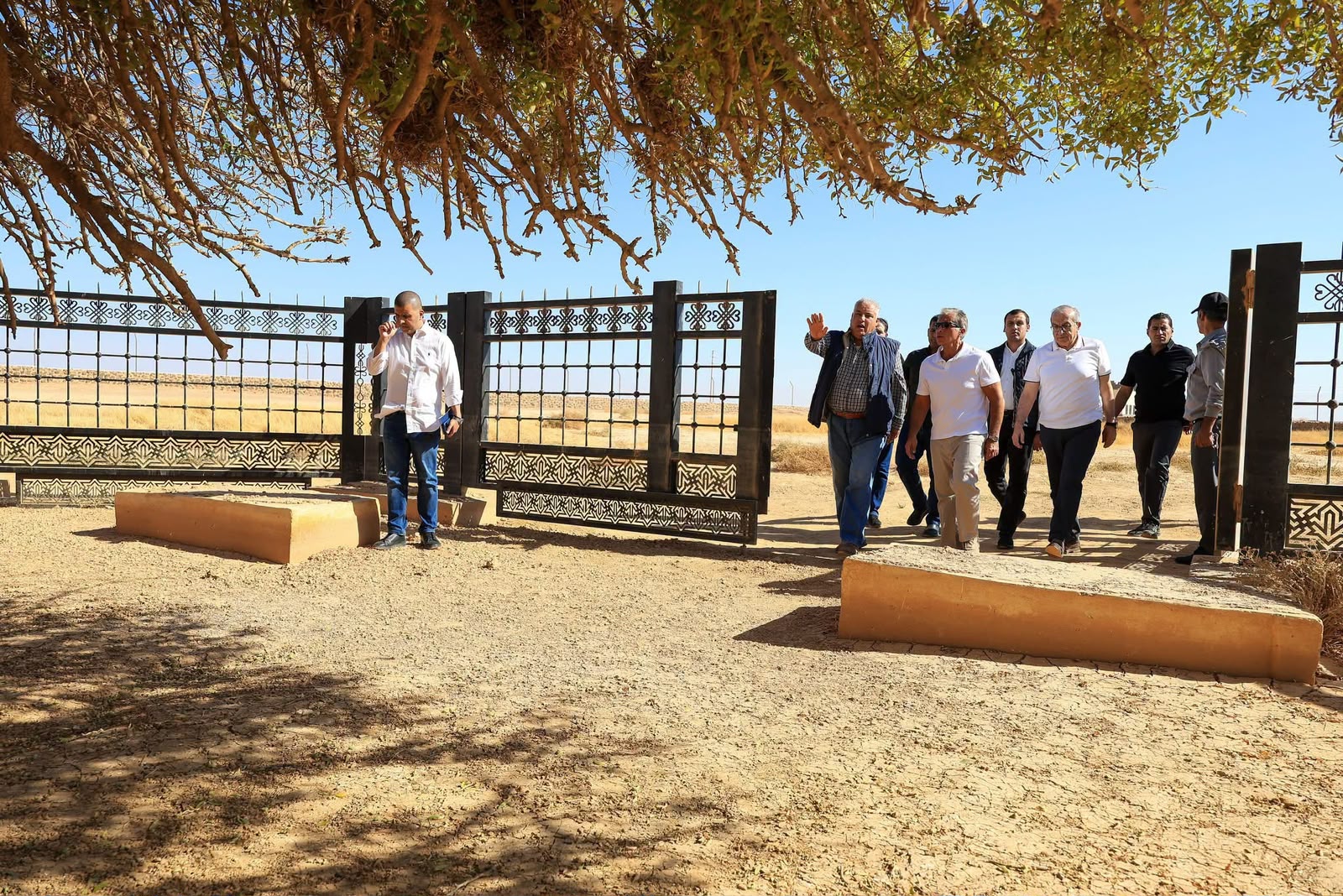
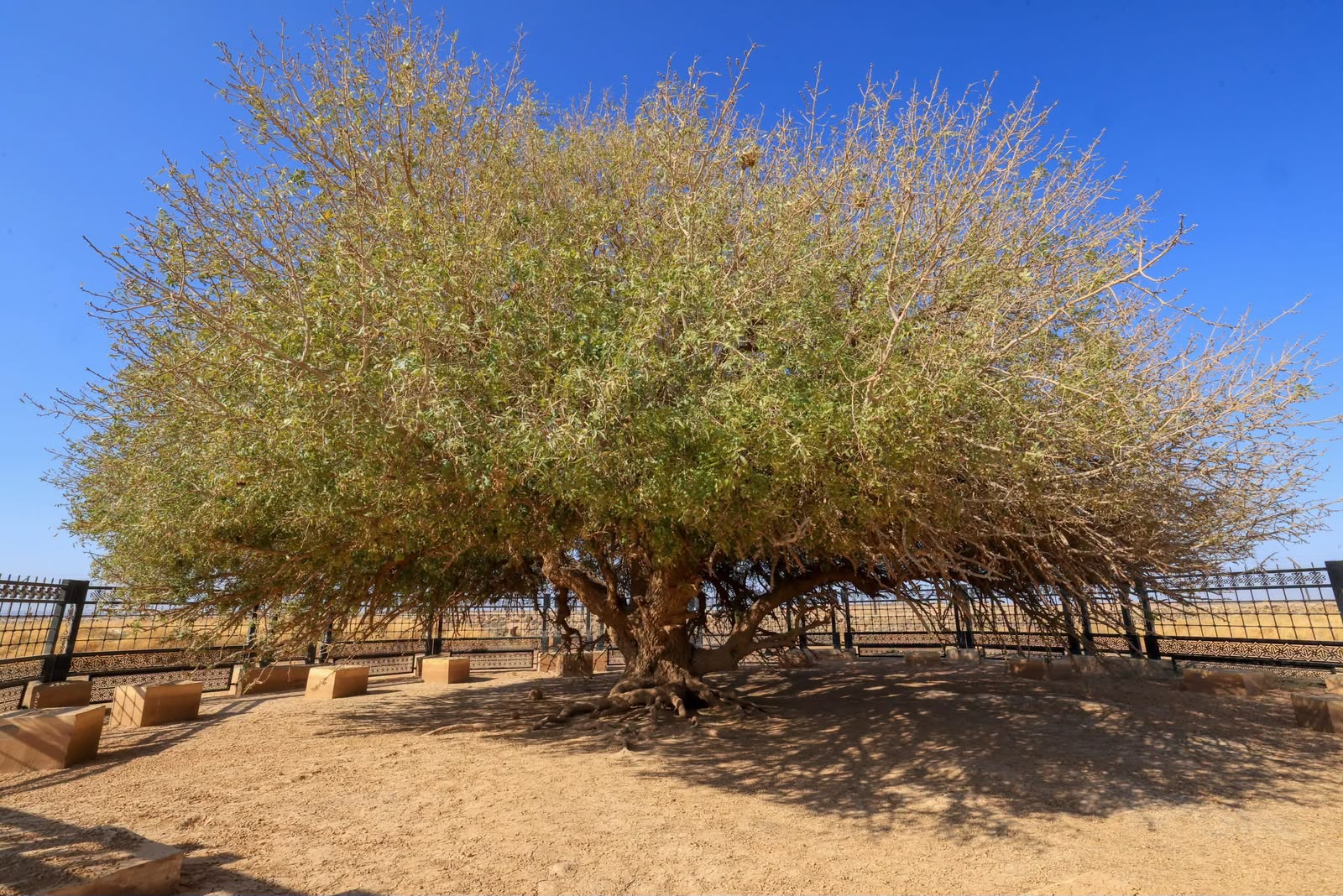
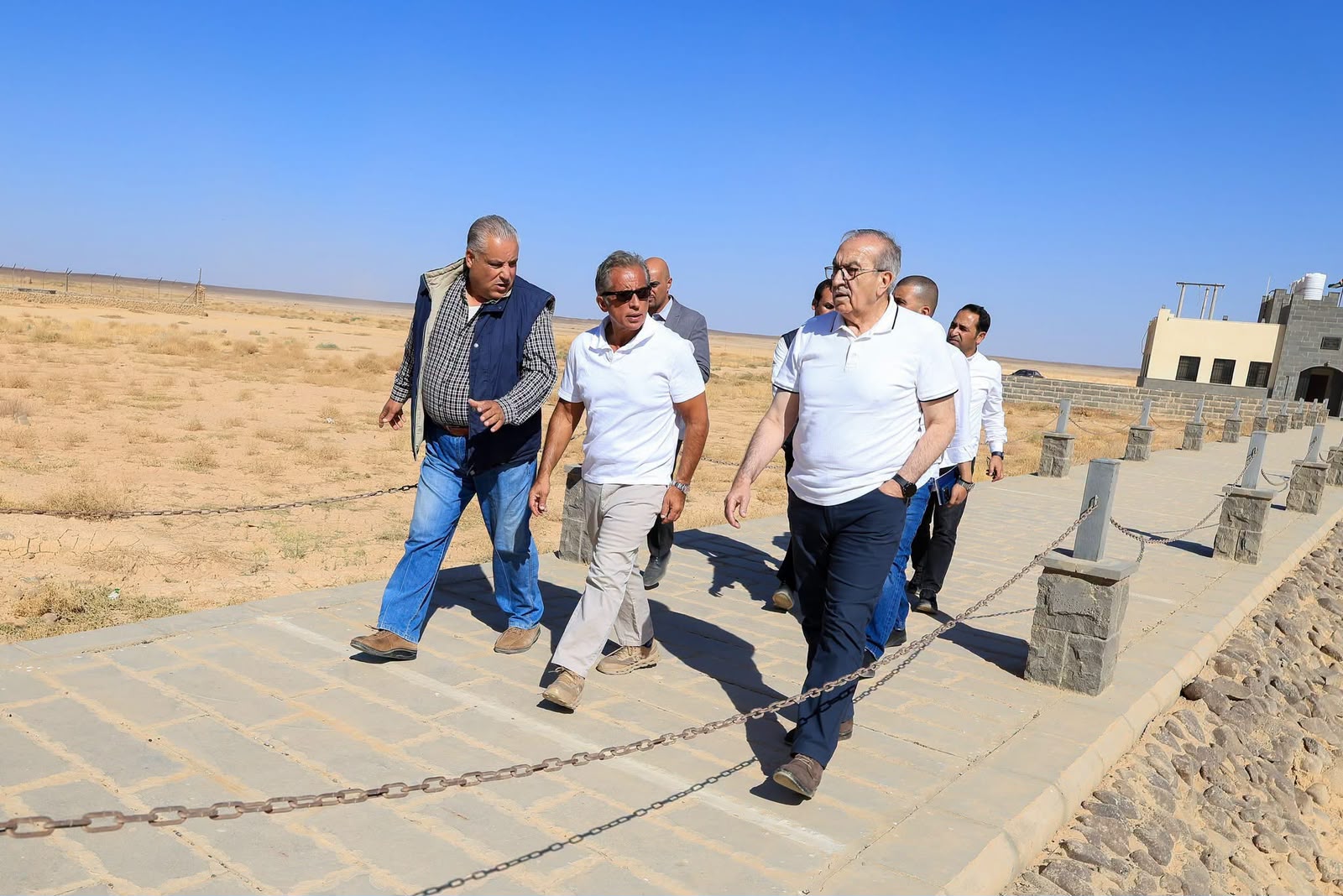
Prime Minister Dr. Jaafar Hassan visited the “Al-Mubarakah Tree” area in Al-Safawi and the Azraq Oasis Revitalisation Project, directing the launch of a project to develop tourism, environmental and historical sites across the Kingdom’s eastern region, with the aim of strengthening their presence on Jordan’s national tourism map.
The project comes as part of the government’s efforts to develop Jordan’s national tourism product and maximise the benefits of the Kingdom’s unique natural and environmental diversity, as well as its rich historical, archaeological, religious and cultural assets. It seeks to enrich visitors’ experiences, support local communities, and strengthen the contribution of the tourism sector to the national economy and to development across the governorates.
The tourism development project in eastern Jordan includes the Shaumari Wildlife Reserve, Al-Dahik Nature Reserve in the northeastern Badia, Qasr Amra, Qasr Al-Harrana, Azraq Castle, the Azraq Wetland Reserve, the Azraq Oasis Revitalisation Project implemented through the Royal Society for the Conservation of Nature (RSCN), and the “Al-Mubarakah Tree” area in Al-Safawi.
The project aims to establish an integrated tourism destination in eastern Jordan, connecting the oasis, natural and environmental reserves, desert castles, and historical, religious and geological sites through new and integrated tourism routes and experiences.
Developing these tourism sites will contribute to expanding and increasing tourism routes across the Kingdom and transforming them into opportunities for development and investment, generating greater developmental impact and benefiting local communities.
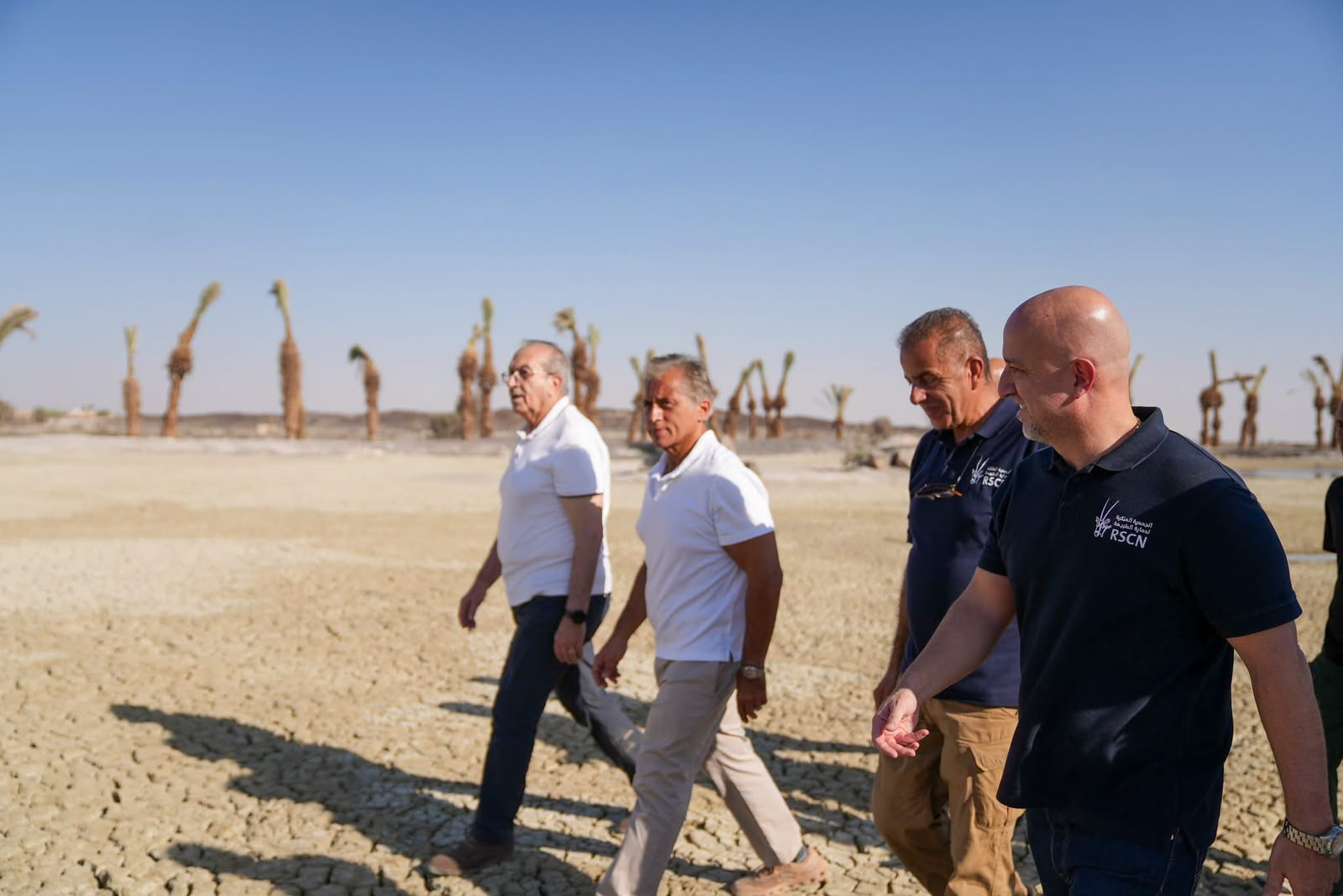
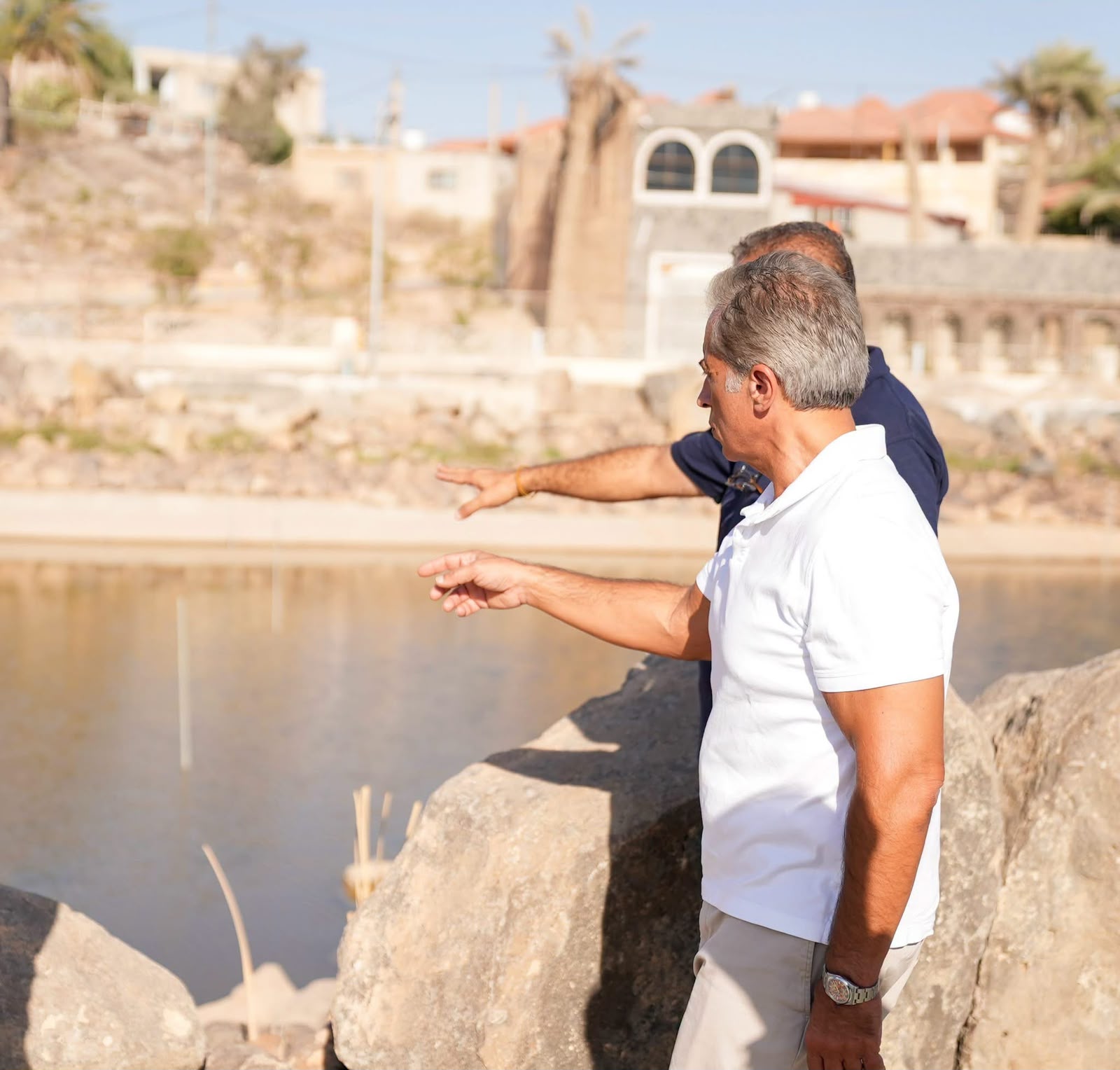
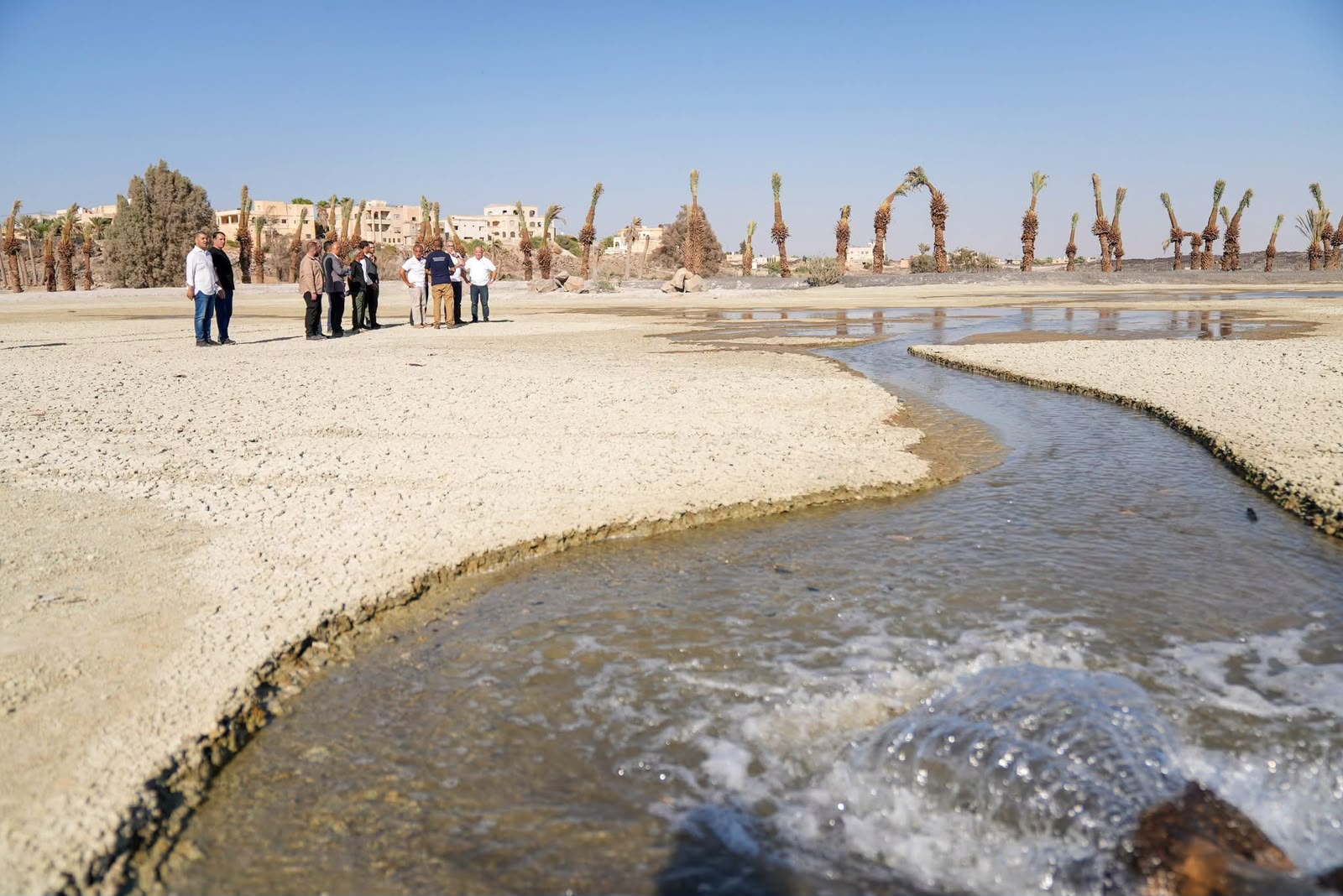
At the Azraq Reserve, the Northern Azraq Oases have been revitalised through the creation of four new pools designed naturally to replicate the original oasis landscape. Native fish species will be reintroduced into the pools, while an eco-camp managed by the Royal Society for the Conservation of Nature will be established, along with an environmental park for the people of Azraq, tourists and visitors. The park will host a range of recreational activities, arts and crafts within the reserve.
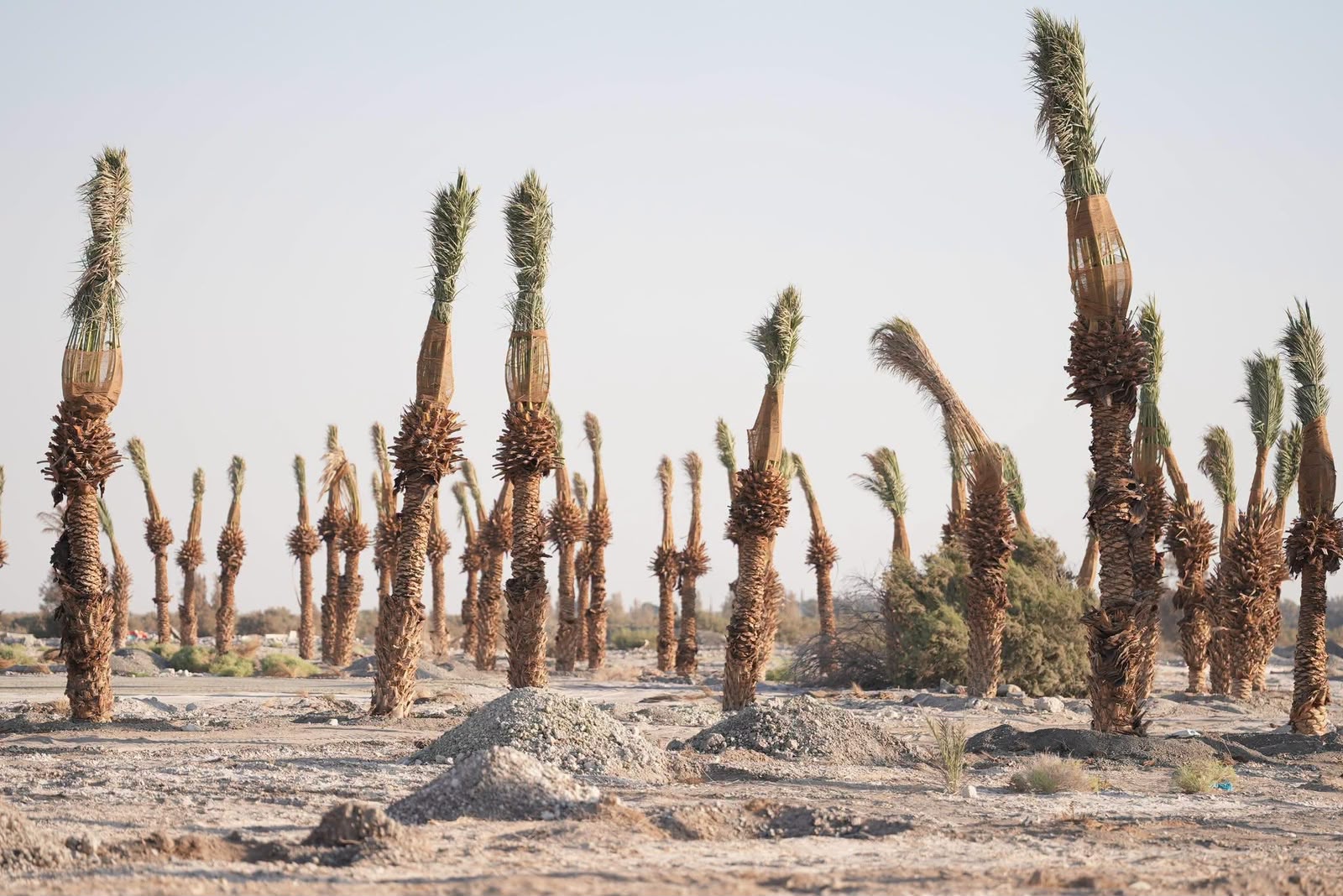
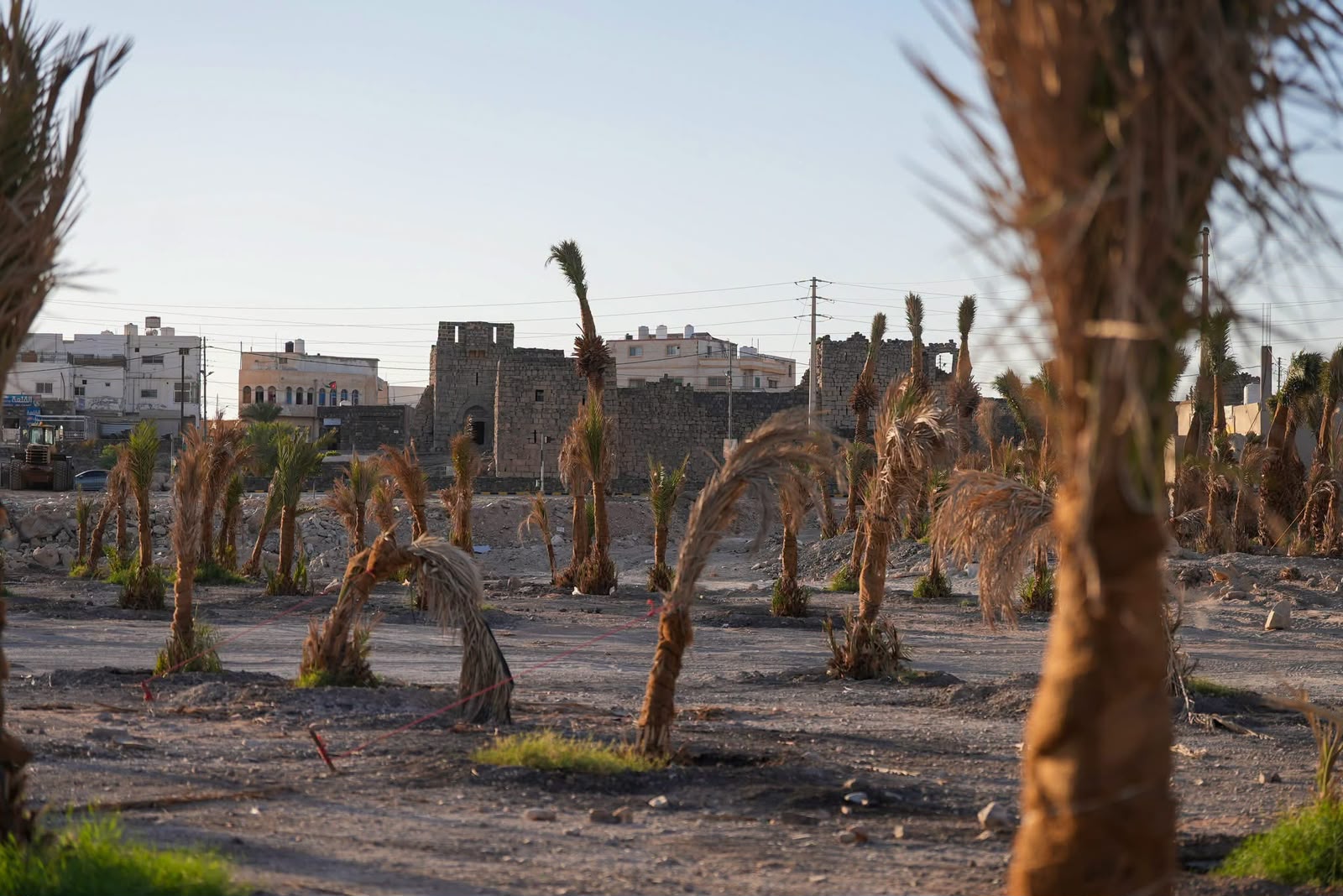
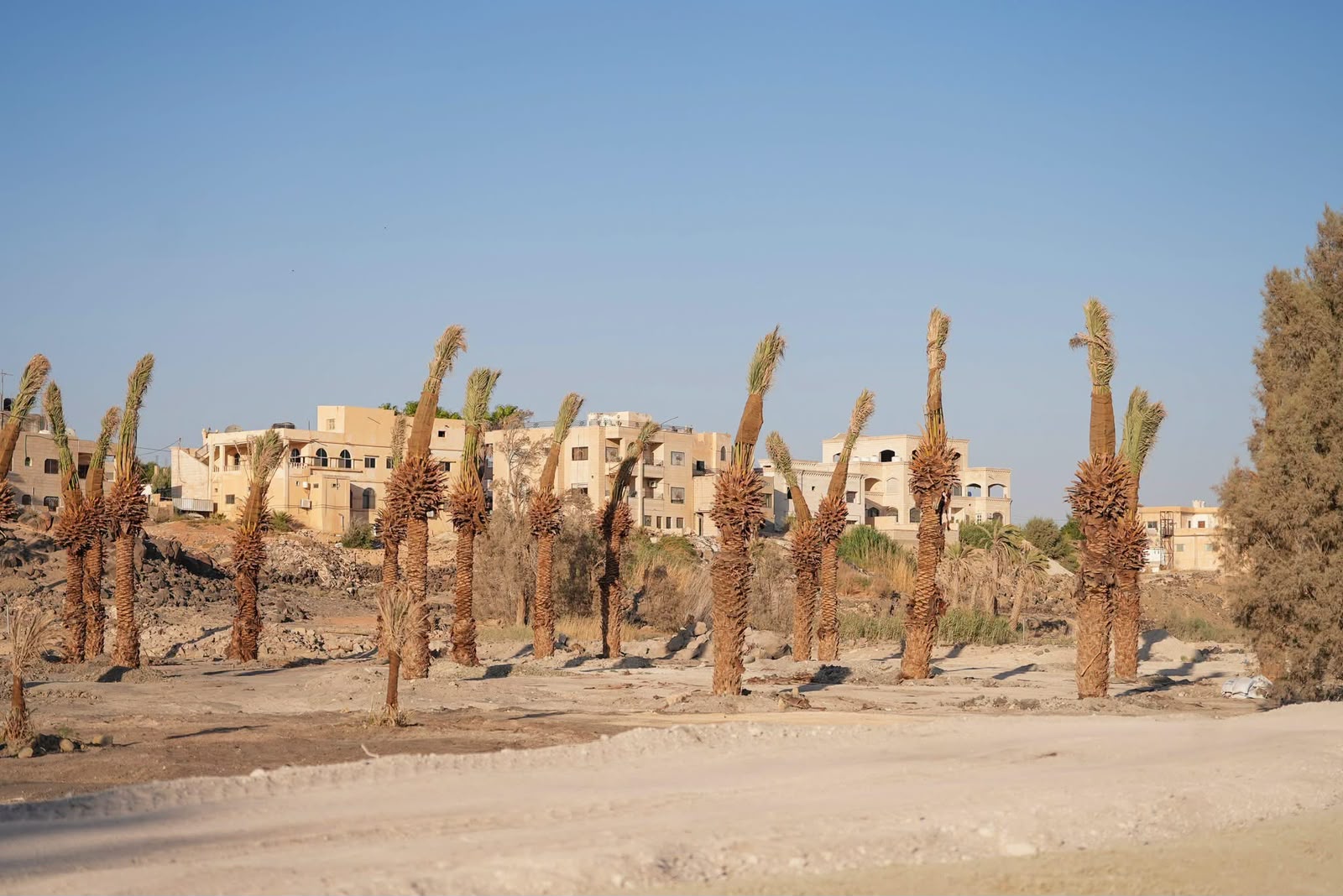
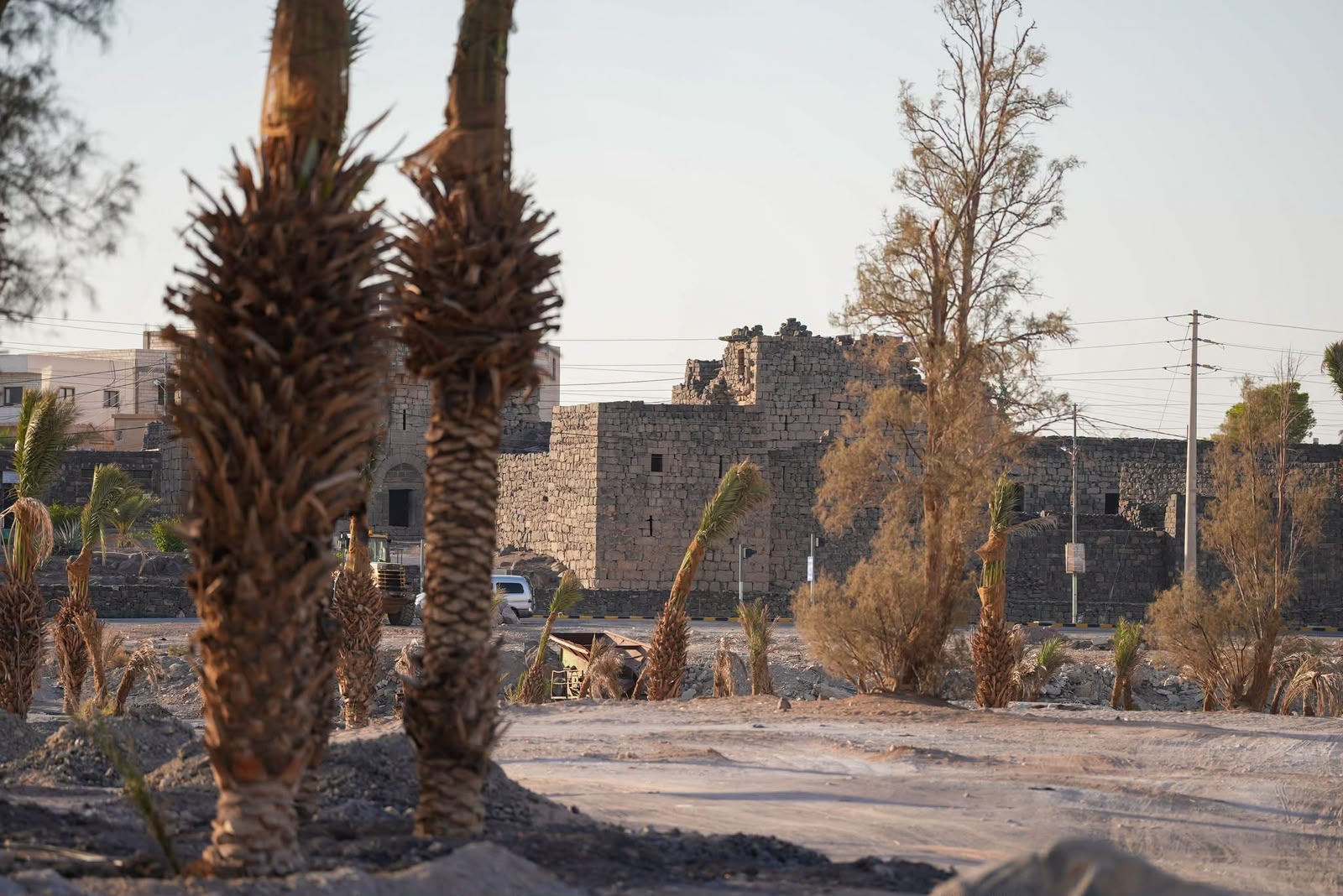
The project also includes the restoration of the palm forest in the castle area and its connection to the wetland oasis. This follows the Cabinet’s approval to expand the Azraq Environmental Reserve. A total of 1,200 palm trees have been planted, and the Royal Society for the Conservation of Nature has been tasked with developing and managing this tourism and development project.
The government adopted the Azraq Oasis Revitalisation Project based on the comprehensive master plan for the city of Azraq, prepared in 2015 and recently finalised and implemented by the government. The plan also includes expanding and preparing opportunities for industrial, handicraft and commercial activities in Azraq, as well as expanding the eco-tourism offering to provide income and employment opportunities for local residents, whose population exceeds 15,000. The project is expected to open to visitors before the end of next March.
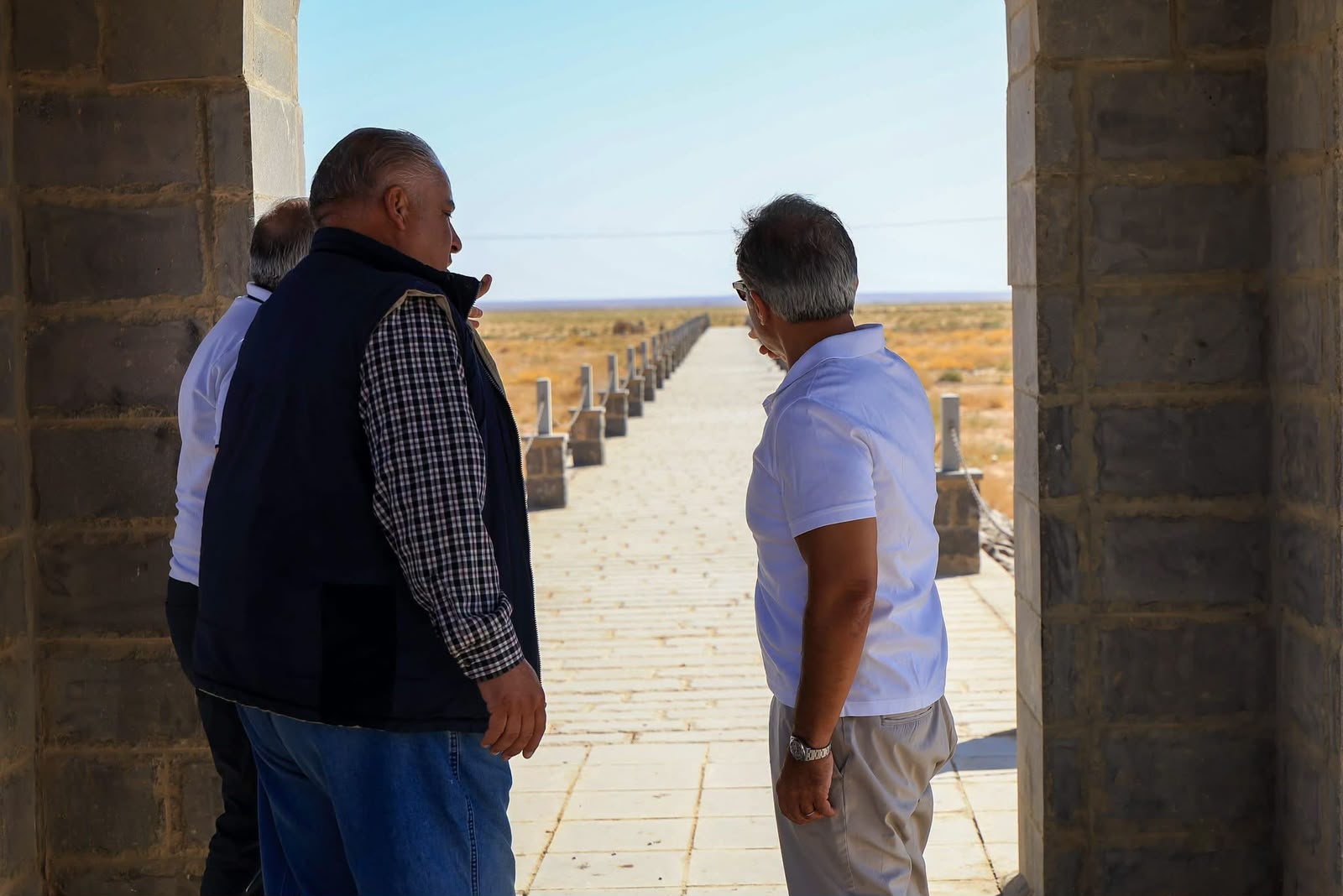
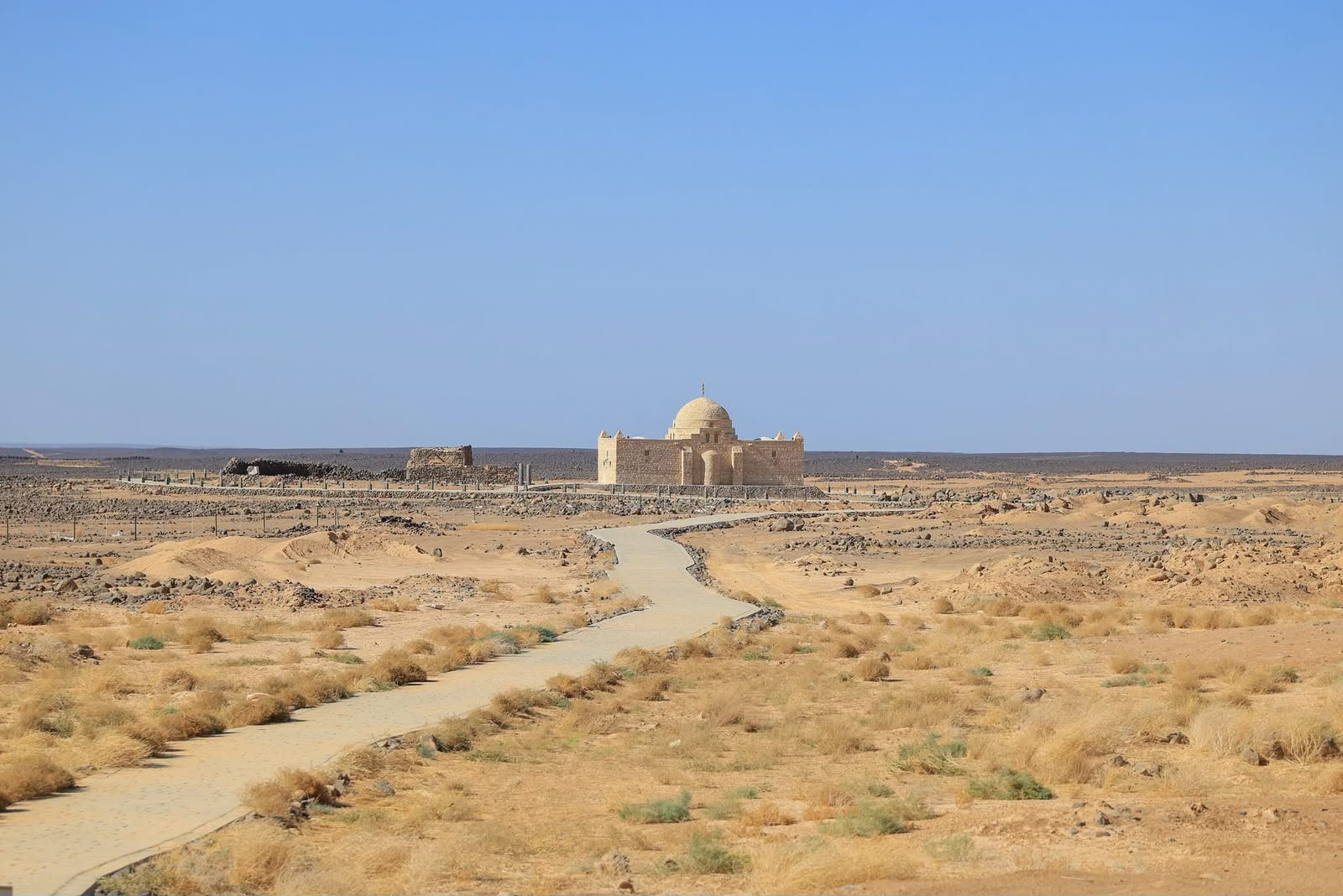
The government will also rehabilitate the road leading to the “Al-Mubarakah Tree” to facilitate access for tourists and visitors and provide the site with the necessary services.
The government has illuminated all the desert castles at night to make them more attractive to travellers, particularly given their location along the Al-Omari Road leading to the Saudi Arabian border.
Tourism sites in eastern Jordan have received international attention for decades due to their outstanding heritage value. This is reflected in the inscription of Qasr Amra on the UNESCO World Heritage List in 1985; the inclusion of Azraq on Jordan’s Tentative World Heritage List in 2007 as a mixed site of natural and cultural value; the recognition of “Northern Azraq Village” among the Best Tourism Villages in the World in 2025; and the designation of Azraq Oasis as the first wetland reserve under the Ramsar Convention in the Arab world and the thirteenth globally.
The development of tourism sites in eastern Jordan comes alongside the government’s continued efforts to implement other tourism development projects across the Kingdom. These include the Jerash Eco-Tourism Village Project; the rehabilitation and development of the archaeological site of Umm Qais and Tell Irbid in northern Jordan; the Yarmouk environmental project and Barakat Al-Araes; tourism development projects in Karak, including the cable car and other projects in the south such as Wadi Bin Hammad, Al-Baraka site and Karak Gateway; the fully completed development of the archaeological Qatraneh Castle; as well as ongoing procedures for the implementation of the Amman Cable Car project.